
6 July 2026
How to Clean Silk Carpet
Silk carpets are one of the hardest to clean. The delicate fibres tend to break easily, requiring special care and attention. If your silk carpet has been run on, stained and used for many years, it’s probably time to freshen it up.
Here’s everything you need to know about cleaning a silk carpet on your own:
Sweep or Vacuum
Use a soft-bristled broom to remove any loose dirt and debris. Stiff bristles on most brooms can damage your carpet so avoid them altogether. Vacuums are effective too but only if it has a gentle suction setting and a brushless attachment.
Overpowered vacuums can tug and tear the fibres, damaging your carpet. Pro tip, remember to vacuum in the direction of the weave to maintain the fibres.
Scoop Up Solids
Scoop stuck on solids (if any) after removing loose dirt. Food can harden overtime and become more difficult to remove. Avoid scraping as you may damage the carpet fibres. Use a blunt-edged tool like a plastic spatula or a spoon, and be gentle not to fray.
Give It a Shake and Hang
Shake and hang your carpet after removing loose dirt and solids. This will help tackle any set-in dust or particles that weren’t picked up earlier. Take it outside and give it a firm, but gentle shake.
For smaller silk rugs, hanging it over a railing or clothesline allows gravity to dislodge remaining dirt. Just avoid direct sunlight as UV rays can cause discolouration over time.
Remove Carpet Stains
Carpets accumulate stains all the time. While the steps above will help with general dirt, lifting stains need special attention. There are two types of solutions you can try; a bowl of regular warm water or a bowl of warm water plus white vinegar (50/50).
Depending on how stubborn the stain is, consider using the latter for tougher stains. Blot the stain with a microfibre towel and repeat the process until it disappears. Finally, remove the excess solution with a clean, wet cloth.
Remove Odours
Dirts and stains are one thing, but don’t forget to remove the odour. Sprinkle baking soda over odorous areas and let it sit for a few hours (or overnight for stronger odours). The baking soda will absorb lingering smells trapped in the fibres.
Brush or vacuum the area and repeat the process until all smells are gone.
Air Dry Your Carpet
Last but not least, give your carpet one last air dry. This final drying process will help prevent mould and mildew. Open your windows and set your fans to circulate air around the room. Avoiding heat is crucial, as silk fibres don’t react well with high temperatures.
As mentioned, hang your carpet over a railing or clothesline if it is much smaller.
Tips on Keeping Your Silk Carpet Clean All Year Round
Vacuum Often, but Gently: Vacuum your carpet weekly using a suction-only vacuum cleaner (one without a rotating brush). A brushless attachment ensures you don’t tug at the silk fibres. Always vacuum in the direction of the pile to maintain its structure.
Spot Clean Immediately: Don’t let stains settle. Quick action is key whether it’s wine or pet accidents. Always blot, never rub and pH-neutral cleaner or wool-safe detergent on standby for unexpected spills. These are designed to be safe for natural fibres like silk.
Avoid Moisture Buildup: Moisture can damage your carpet’s backing and lead to mould or allergen buildup. Never soak the carpet. Use low moisture cleaning methods, and ensure proper air drying after each clean.
Rotate Your Carpet: Oriental and antique rugs fade unevenly if exposed to light regularly. Rotating your carpet every few months helps distribute wear and minimise UV damage. It also helps avoid dirt accumulation in high-traffic areas.
Try Natural Deodorisers: For every odour, sprinkle baking soda and leave it overnight. This is an effective trick if your carpet needs a little refresh between deeper cleans. You can also use a light mist of diluted white vinegar to neutralise smells.
Keep Pets Away: When in doubt, keep your pets away from your carpet. Pet stain treatment can be one of the trickiest for silk carpets. Enzyme cleaners work wonders for protein-based stains, but not all are safe for silk.
What to Avoid When Cleaning Silk Carpets
Even with the best intentions, one wrong move can damage your silk carpet permanently. Here’s a quick guide on what not to do:
Don’t Use Hot Water: Hot water can shrink or warp silk fibres. Always use cold or lukewarm water during cleaning to protect the delicate weave.
Say No to Harsh Chemicals: Stay away from bleach, ammonia, or general-purpose cleaners. These can strip the dye and ruin the fibres. Stick to pH-neutral cleaners or silk-safe cleaning solutions only.
Never Scrub or Rub: Scrubbing can fray the carpet’s fibres and damage the pile. Always blot gently using a microfibre cloth when treating stains.
Avoid Steam Cleaners: While steam cleaning works for synthetic carpets, it’s too aggressive for silk. The heat and moisture combination can weaken fibres and cause textile damage.
Don’t Hang in Direct Sunlight: Silk is sensitive to UV rays. Prolonged exposure can cause discolouration and fading. Always dry in shade or indoors with proper air circulation.
The Benefits of Having a Clean Carpet

Preserves the Silk Fibres: Regular cleaning prevents the build-up of dirt and grime that can cause the fibres to break down over time. This ensures that the carpet remains strong, maintaining its appearance.
Improves Indoor Air Quality: Carpets act like filters, trapping dust, allergens and pollutants. Cleaning them helps to reduce the amount of these particles in your home. This can improve air quality, creating a healthier environment for you and your family.
Maintains Colour and Texture: Proper cleaning helps maintain the colours and texture of your silk carpet. Over time, dirt and stains can dull the appearance, but with proper care, you can keep your carpet looking as good as new.
Prevents Unpleasant Odours: A clean carpet prevents any lingering smell. Regularly removing dirt and treating stains ensures that your silk carpet doesn’t trap unwanted odours.
Aesthetics: Silk carpets are a statement piece in any room. Keeping them clean ensures they continue to enhance the overall aesthetic of your home. It also adds a touch of elegance and luxury to any space.
Increase Longevity: and Value A cleaner carpet will last much longer. In some cases, this can even retain or increase its value over time—especially if it’s a high-quality piece. All in all, proper care will ensure it remains a valuable asset for years to come.
Hiring a Pro
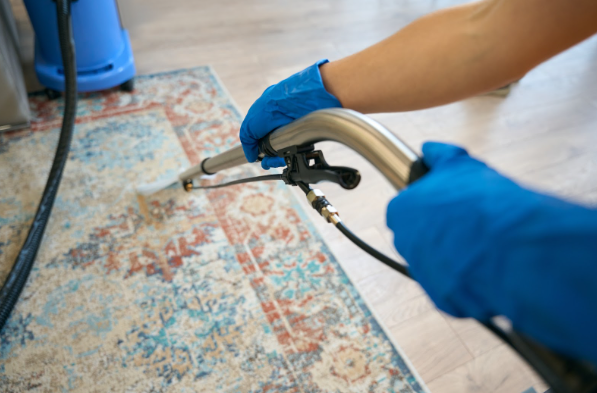
Being able to clean your own carpet is great. Nonetheless, there are instances where professional carpet cleaning is needed. Professional cleaning will ensure every inch of your carpet is deep cleaned and treated with the right products for silk fibres.
We also use anti-bacterial treatment to keep them bacteria-free for months on end. Opting for professionals will also save you time, energy and in some cases, money. That’s right, by leaving your carpet woes to us, you can focus on what truly matters.
With that said, you only need to get your carpet professionally cleaned every quarter or twice a year (depending on usage). Just remember to follow the steps above to keep your carpets maintained for much longer.
Contact us to find out more!