22 June 2026
How to Remove Dried Paint from Your Carpet
By Clement
If you’ve ever had paint dry into your carpet, you know how stubborn those stains can be. The good news? It’s fixable. Here’s how to clean paint that has dried from your carpet without damaging the fibres.
Identify the Paint Type Before You Touch Anything
The worst moves are rushed ones. Start calm. Work methodically. The right tool and a steady approach will usually save the pile and your time.
The first thing you need to do is identify whether you’re dealing with water-based (acrylic/emulsion) or oil-based (alkyd/enamel) paint.
Signs of Water-Based Paint
Texture: Feels chalky, flaky, or powdery when scraped.
Smell: Has little to no odour once dry.
Colour tone: Often appears slightly matte or flat.
Solubility: Softens or dissolves easily with warm water or rubbing alcohol.
Residue test: When dampened with a bit of water, some colour may lift onto a cloth or tissue.
Signs of Oil-Based Paint
Texture: Feels smooth, slightly tacky, or hard and brittle once dry.
Smell: Has a lingering chemical or solvent smell, even after drying.
Finish: Usually glossy or has a light sheen.
Solubility: Doesn’t dissolve in water. It needs a solvent like mineral spirits or turpentine.
Residue test: When rubbed with a damp cloth, no colour transfers and surface stays intact.
If you’re unsure, treat it carefully and test a solvent on a hidden patch first.
(Source: Freepik)
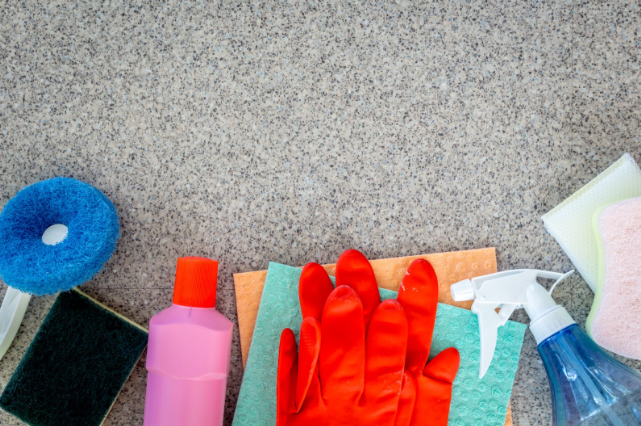
What to Gather Before You Start
Preparation keeps you from making the stain worse.
You’ll need:
Plastic scraper or spoon.
Clean white cloths or paper towels.
Vacuum cleaner with brush attachment.
Isopropyl rubbing alcohol (70–99%).
Warm soapy water (mild dish soap).
White spirit or mineral spirits for oil paints.
Cotton buds and a spray bottle.
Gloves and good ventilation.
(Source: Freepik)
How to Remove Dried Water-Based Paint
This is the most common household paint mishap and luckily, one of the easiest to fix if you take your time.
1. Lift Loose Paint
Gently scrape off any flaky paint using a plastic scraper or spoon. Avoid metal tools as they can snag carpet fibres.
Tip: Vacuum the area after scraping to remove dried paint dust and prevent it from settling deeper into your carpet.
2. Soften the Film
Dampen a cloth with warm, soapy water (a drop of dish detergent works best) and gently blot the stain.
The goal is to soften the paint, not soak the carpet. Too much water can spread the pigment or loosen the adhesive backing.
3. Apply Rubbing Alcohol
If the paint doesn’t lift after blotting, dampen a clean white cloth with isopropyl alcohol (rubbing alcohol).
Press it onto the paint and let it sit for about a minute to loosen the acrylic binders. Then, gently blot. Don’t rub.
Tip: Always spot-test first on a hidden area to ensure the alcohol doesn’t affect the carpet dye.
4. Blot and Repeat
Continue blotting with fresh cloths, replacing them as they absorb the paint. Patience is key during this process.
Dried paint releases gradually. So work in small sections and avoid scrubbing, which can spread the stain.
5. Rinse and Dry
Once the paint stops transferring, blot with a clean cloth dampened with plain water. This is to remove any soap or alcohol residue.
Press dry with a towel, then allow the carpet to air dry completely. Brush the carpet fibres back into place once dry to restore texture.
Why This Works
Water-based paints contain acrylic binders that become water-resistant once dry.
Alcohol weakens these binders just enough for the paint to loosen without using harsh solvents that might damage fibres or backing.
Combined with gentle blotting and patience, this method lifts dried paint without damaging your carpet.
(Source: Freepik)
How to Remove Dried Oil-Based Paint
Oil-based paints are more stubborn because they contain oils that form a tough and glossy layer once dry. Removing them takes patience and the right solvent.
1. Remove Loose Bits
Scrape off any dried or flaky paint using a plastic scraper. Remember to be gentle and avoid metal tools as they can damage or fray carpet fibres.
Tip: Once you’ve lifted the loose pieces, vacuum the area to remove any remaining paint dust before applying any liquids.
2. Test White Spirit First
Before treating the stain directly, apply a small amount of white spirit (mineral spirits) to a hidden patch of your carpet.
Let it sit for 30 – 60 seconds, then blot with a white cloth. If there’s any colour fading, bleeding, or damage, stop. The solvent may not be safe for your carpet type.
3. Work Small and Slow
If the test spot is fine, dampen a clean cloth with white spirit (don’t soak it). Then, gently blot the edge of the paint stain, working inward.
Avoid pouring the solvent directly onto the carpet. This can spread the paint or damage the backing. Instead, take your time. Oil-based paint softens slowly.
4. Blot Up the Softened Paint
As the paint loosens, switch to fresh cloths to blot away the residue. Keep rotating to a clean section of the cloth each time and replace it with a new one when needed. Doing this prevents re-staining.
Repeat the process until no more paint transfers.
5. Clean the Solvent Out
When the paint is gone, blot with warm, soapy water to remove any leftover solvent. Follow with plain water to rinse away detergent residue.
Then, press dry with a towel and allow the carpet to air dry completely. Once dry, groom the fibres with a soft brush to lift flattened tufts.
Open windows or run a fan to help remove any lingering solvent smell.
Why This Works
White spirit dissolves the oily binders and resins in oil-based paint, softening the hardened film so it releases from the carpet fibres.
By blotting slowly and working in small areas, you remove the paint without forcing it deeper into the pile or damaging the fibres.
Reminder
Avoid using strong paint strippers, acetone, or turpentine on wool or delicate carpets. They can dissolve fibres or cause permanent colour loss.
If your carpet is natural fibre, silk, or high-value, it’s best to call a professional carpet cleaner instead of risking solvent damage.
Discover more:
Why Should You Invest in Professional Carpet Cleaning?
Carpet Cleaning Guide – Which Carpets Are Easy to Clean & Which Ones Aren’t?
When It Won’t Come Out
If you’ve tried both methods and paint stays, take these steps:
Repeat test cycles rather than increasing force.
Try a commercial spot cleaner made for paint stains. But always test first.
Consider professional steam cleaning after pretreatment.
For dyed or chemically bonded paint stains, professional colour correction may be needed.
If the spill is large or the paint has seeped deep into the carpet, DIY cleaning might cause more damage. In this case, you’ll need professional help.
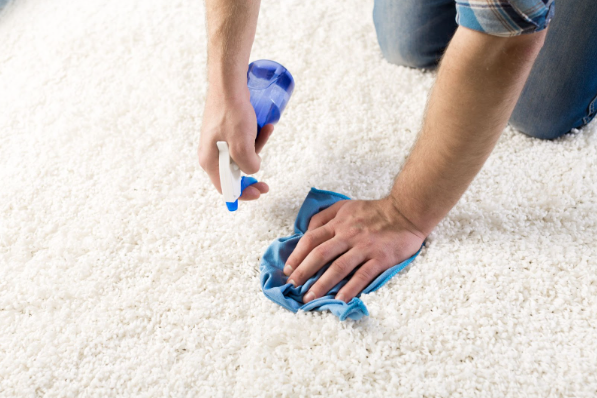
Tough stain? Let Crusade handle it. Reach us by call, email, or fill out our form to book a professional carpet clean.
(Source: Freepik)
Quick Do’s and Don’ts
Do
Test on a concealed patch first.
Start cleaning from the edges of the paint stain and move inward.
Use white cloths or paper towels so you can see progress.
Vacuum flakes before wet cleaning.
Don’t
Scrub aggressively. You’ll fuzz or distort the pile.
Over-wet the carpet. This risks backing glue failure and mould.
Use bleach or harsh cleaners without testing.
Pour solvent directly on the carpet.
(Source: Freepik)
How to Prevent Paint Spills During Future Projects
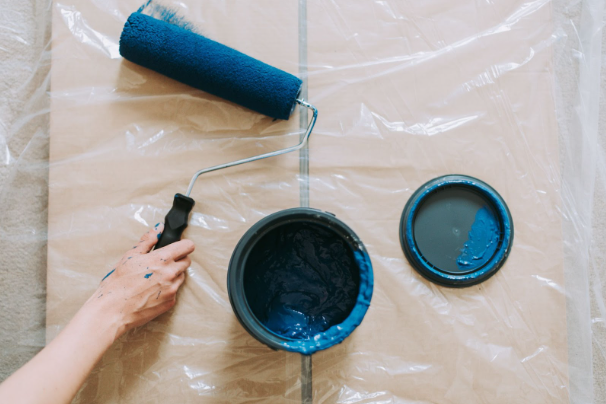
Once you’ve sorted out the stain, it helps to think ahead. Most paint spills can be avoided with a few simple habits and a bit of preparation before your next project.
Before You Start:
Cover your space properly. Use canvas drop cloths or thick plastic sheets to protect carpets and flooring. Tape the edges down so they don’t shift while you work.
Clear the area. Move furniture, rugs, and anything you value out of the way before you open the paint tin.
Plan your tools. Keep your brushes, rollers, and trays within reach so you don’t need to carry them across the room.
While Painting:
Pour carefully. Only pour what you need into a smaller tray instead of carrying full tins around.
Watch your steps. Stay aware of wet paint zones and the edges of your coverings.
Seal lids between coats. Even a small knock can cause a spill if the lid is loose.
After You Finish:
Check for drips early. A quick wipe can stop a dried stain later.
Clean tools before moving them. Wipe off rollers, brushes, and trays before taking them out of the room.
A few extra minutes of preparation can save you hours of cleanup and keep your carpets looking their best through every paint project.
FAQ Quick Answers
What if the carpet smells of solvent after cleaning?
Ventilate the area and blot with soapy water to remove residues. The smell should fade.Can I use nail polish remover?
Acetone can damage fibres and dyes. Avoid it unless a pro recommends it.Will steam cleaning remove dried paint?
Steam can help after paint is chemically loosened, but it usually won’t dissolve paint on its own.
Final Thoughts on Cleaning Dried Paint from Your Carpet
Dealing with dried paint on your carpet is tricky, but it’s not impossible. With the right approach, you can lift most stains safely without harming the fibres.
If the paint’s deep, stubborn, or sitting on a delicate weave, it’s best to call in a professional.
Need help? Or have more questions? Crusade’s here for you. Contact us by call, email, or through our online form, we’re always glad to assist.